
Does Red Light Therapy Actually Work? What the Research Says
Red light therapy is one of those things that I kept seeing everywhere and eventually decided to try for myself.
I’ve been using red light therapy since 2022, and after using it for several years, it’s something I genuinely like having as part of my skincare routine.
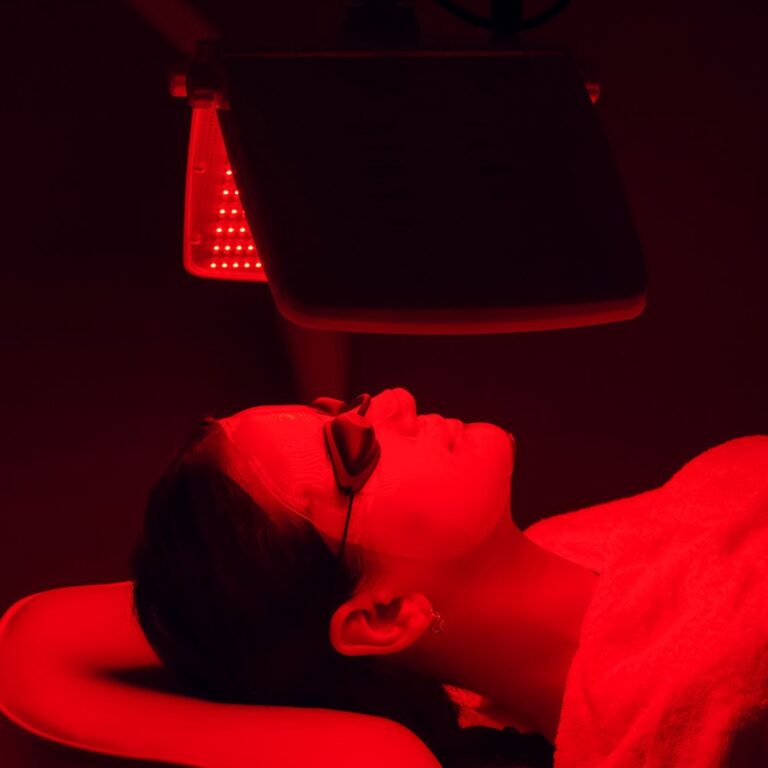
I use the PlatinumLED BIO 300 Combo Red/NIR, which uses 660nm red light and 850nm near-infrared light. I mainly use it because I’m interested in keeping my skin looking healthy and supporting the way my skin looks as I get older.
And honestly, I think it has been beneficial for my skin.
I don’t really feel like I look my age, and I also notice that I feel better after using my red light. I can’t say that red light therapy is responsible for every change in my skin because there are obviously other things that matter too. But after using it consistently since 2022, I personally think it’s worth having in my routine.
But does red light therapy actually work?
Here’s what I found when I looked into the research.
What is red light therapy?
Red light therapy, also called photobiomodulation, uses specific wavelengths of red or near-infrared light.
Unlike tanning beds or UV light, red light therapy isn’t designed to damage the skin. At-home devices come in different forms, including masks, panels and wands.
The idea behind photobiomodulation is that certain wavelengths of light can interact with cells and affect biological processes.
For skincare, researchers have studied red light therapy for things like wrinkles, skin texture, redness and other visible signs of aging.
That doesn’t mean every red light device will give you the same results, though.
The device, wavelength, intensity, treatment time and how often you use it can all matter.
So, does red light therapy actually work for your skin?
Based on the research that’s available, I wouldn’t say red light therapy is fake or just another internet trend.
There is research showing that red and near-infrared light can have beneficial effects on the skin.
The American Academy of Dermatology says some studies have found that red-light LED devices can produce subtle-to-noticeable improvements in fine lines and wrinkles, rough-feeling skin, discoloration, redness and loose skin.
At the same time, the AAD points out that researchers have used different devices and treatment schedules, which makes it difficult to say exactly how effective every at-home device will be.
So I think the most realistic answer is:
Yes, red light therapy can work, but don’t expect every device or every person to get the exact same results.
And I think that’s important because social media can make these devices look like they’re going to completely transform your face overnight.
That’s not how I would look at it.
What can red light therapy actually do?
The biggest reason I use red light is for my skin.
Research has looked at red light therapy for several different cosmetic concerns.
Fine lines and wrinkles
This is probably one of the biggest reasons people become interested in red light therapy.
Several clinical studies have looked at red light and facial wrinkles.
One randomized controlled study involving 137 women found that a red-light photobiomodulation treatment reduced periocular wrinkle volume by about 30% on the treated side.
Another clinical trial using 660nm red LED light found improvements in periocular wrinkles after repeated treatments.
That doesn’t mean you should expect a 30% reduction in wrinkles just because you’re using a red light panel at home. The study used a specific treatment protocol, and different devices can have very different specifications.
But I do think it’s encouraging that there is actual clinical research looking at this.
Skin texture
Another thing people notice when they talk about red light is the overall appearance of their skin.
Research has looked at improvements in things such as skin smoothness and texture.
Personally, I like the overall look of my skin. I wouldn’t say red light has magically changed my face, but after using it for years, I do think it has been a worthwhile addition to my routine.
Redness and discoloration
Red light has also been studied for skin redness and discoloration.
The results aren’t necessarily going to be dramatic for everyone, and red light shouldn’t be thought of as a replacement for treatments specifically designed for pigmentation.
But it is one of the areas researchers continue to investigate.
Supporting healthy-looking skin as you age
This is probably the way I personally think about red light therapy the most.
I’m not using it because I expect it to make me look 20 years younger.
I’m using it because I want to take care of my skin and support how it looks as I get older.
I’ve been using it since 2022, and I’ve actually stuck with it.
For me, that says a lot.
There are plenty of skincare products and beauty treatments I’ve tried and eventually stopped using.
Red light is something I keep coming back to.
My red light therapy experience
I’ve been using red light therapy since 2022.
I’ve been using the PlatinumLED BIO 300 Combo Red/NIR panel since 2022. My model may no longer be available, but I’ve continued using it as part of my skincare routine. In my personal experience, I feel my skin has benefited from red light therapy, although I can’t say it’s the reason I look younger or that everyone will get the same results.
I chose a panel instead of a small handheld device because I wanted something that could cover more of my face and that I could continue using as part of my routine.
One thing I’ve learned from using red light for several years is that consistency matters more than expecting some huge change from one session.
You’re not going to use red light once and suddenly wake up with completely different skin.
It’s much more of a long-term routine.
And honestly, that’s how I prefer to think about it.
I don’t use red light because I’m trying to chase perfection.
I use it because I like my skin, I like having a skincare routine, and I feel good after I use it.
I also think I look younger than people expect me to, although obviously I can’t prove that red light therapy is the reason.
There are a lot of things that influence how someone looks as they get older, including genetics, skincare, sun exposure, lifestyle and just plain luck.
So I’m not going to tell you that my results are going to be your results.
I’m just sharing what I’ve personally experienced after using it since 2022.
Why I chose a red light panel
There are so many red light products now that it can be confusing.
You have masks, handheld devices, panels and larger full-body setups.
I went with a panel because I liked the idea of having a larger treatment area and being able to use both red and near-infrared wavelengths.
My PlatinumLED BIO 300 uses 660nm red light and 850nm near-infrared light.
PlatinumLED describes its BIO series as its original, simpler panel design, with combination models that can provide red and near-infrared wavelengths.
I’m not saying you need this exact device.
It’s simply the one I’ve personally used for years, and I think it’s useful to tell readers exactly what I’m using instead of vaguely saying that I “use a red light.”
How long does it take to see results?
This is one of the biggest questions people have.
Unfortunately, there’s no universal answer.
Red light therapy isn’t a one-time treatment.
The American Academy of Dermatology notes that at-home red-light therapy generally requires regular use and that it can take time to see results. It also points out that not everyone will see the same results.
Clinical studies have also used repeated treatments over several weeks.
For example, a 2025 randomized clinical trial studied facial photobiomodulation using a 660nm LED mask over four weeks and compared different treatment frequencies.
That’s another reason I don’t think it’s fair to judge red light after only one or two uses.
If you’re going to try it, think of it more like a skincare habit.
Does red light therapy work immediately?
I wouldn’t expect major anti-aging results immediately.
You may notice that your skin looks or feels a little different after a session, but the bigger question is what happens with consistent use over time.
The studies looking at wrinkles and facial rejuvenation generally involve repeated treatments rather than one session.
That’s also been my mindset with using it.
I’m not looking for a dramatic overnight result.
I’m looking at it as something I’m doing regularly to take care of my skin.
Is red light therapy safe?
Red light therapy is generally considered to have a good short-term safety profile, and unlike UV light, research hasn’t found that red light causes skin cancer.
However, that doesn’t mean everyone should automatically use any red-light device without paying attention to the instructions.
The American Academy of Dermatology recommends following the manufacturer’s instructions and using eye protection when the device instructions call for it. It also recommends talking with a dermatologist before using an at-home device, particularly if you have a condition that makes you sensitive to light or take medication that can increase light sensitivity.
And something else I think is important:
More isn’t automatically better.
Don’t assume that using your device for hours will give you better results.
Follow the instructions for your specific device.
Although red light therapy appears to have a good short-term safety profile, researchers are still studying its long-term effects. Follow your device’s instructions, use eye protection when directed, and ask a healthcare professional whether it’s appropriate for you if you have a light-sensitive skin condition or take medication that increases light sensitivity.
Does FDA clearance mean a red light device definitely works?
This is another thing that can get confusing when you’re shopping for a device.
The words “FDA cleared” don’t mean that the FDA guarantees you’ll get amazing results.
The American Academy of Dermatology explains that FDA-cleared red-light devices are not guaranteed to produce dramatic results. FDA clearance allows a device to be marketed for its intended use, but it doesn’t mean every person will see the same improvements. That’s why I think it’s important to look at the research, understand what a device is designed for, and have realistic expectations before buying one.
That’s why I would look at more than just the words on the box.
Pay attention to:
- What wavelengths the device uses
- What the device is actually designed to treat
- How often you’re supposed to use it
- How long each treatment takes
- The manufacturer’s instructions
- Whether the device has appropriate regulatory clearance for its intended use
- Whether you can realistically see yourself using it consistently
Is red light therapy worth it?
For me, yes.
I’ve been using red light since 2022, and I wouldn’t have kept using it this long if I didn’t feel like it was worth having in my routine.
I think it has been beneficial for my skin, and I like how my skin looks.
I also like the fact that it’s something I can do at home without adding a complicated treatment to my schedule.
But I don’t think red light therapy should be treated like a miracle cure.
It’s one part of a bigger picture.
Taking care of your skin also means things like protecting your skin from the sun, using skincare products that work for you, getting enough sleep, eating well and generally taking care of yourself.
Red light can be part of that routine.
It doesn’t have to replace everything else.
My honest opinion after using red light since 2022
If you’ve been wondering whether red light therapy is actually worth trying, I think the research is promising enough that I understand why so many people are interested in it.
There is legitimate research behind photobiomodulation, including clinical studies looking at facial wrinkles and skin rejuvenation. At the same time, the research isn’t a reason to believe that every red-light device will produce dramatic results.
For me, my experience matters too.
I’ve been using my PlatinumLED BIO 300 Combo Red/NIR since 2022, and I think it’s been beneficial for my skin.
I don’t really look my age, and I like that.
I also genuinely enjoy using my red light. I feel better after I use it, and it has become one of those things that I actually stick with.
Could I prove that red light therapy is the reason my skin looks the way it does?
No.
And I don’t think anyone should promise that.
But after several years of using it, I personally think red light therapy is worth keeping in my skincare routine.
If you’re considering trying it, I’d focus less on expecting a dramatic transformation and more on finding a quality device, using it correctly and giving it enough time to see what it can actually do for you.
A quick takeaway
Does red light therapy actually work?
I think the answer is yes—with realistic expectations.
Research suggests red light therapy can help improve certain signs of skin aging, including fine lines, wrinkles and skin texture. But results vary, devices vary, and consistency matters.
And after using red light myself since 2022, I think it’s one of those beauty tools that’s worth considering if you enjoy using it and you’re willing to make it part of your routine.
This post shares my personal experience and is for informational purposes only. Red light therapy isn’t right for everyone. Follow the instructions for your specific device and talk with a qualified healthcare professional if you’re unsure whether light therapy is appropriate for you.