5 Reasons to Use Rosehip Seed Oil for Skin (Benefits, Uses, and How to Choose One)
Disclosure: This post may contain affiliate links. If you purchase through these links, I may earn a small commission at no extra cost to you.
Updated January 13, 2026
I’ve used rosehip seed oil consistently in my skincare routine, especially during periods of dryness or post-acne healing, and it’s one of the few oils I’ve found to be both lightweight and effective.
Rosehip seed oil is often described as a multitasking oil for the skin and for good reason. It’s lightweight, nutrient-rich, and widely used for improving skin tone, hydration, and overall texture.
Despite being an oil, rosehip seed oil is well tolerated by many skin types, including acne-prone and sensitive skin. Its unique composition allows it to nourish the skin without feeling heavy or greasy.
Below is a closer look at what rosehip seed oil is, how it works, and the most common reasons people include it in their skincare routines.
What Is Rosehip Seed Oil?
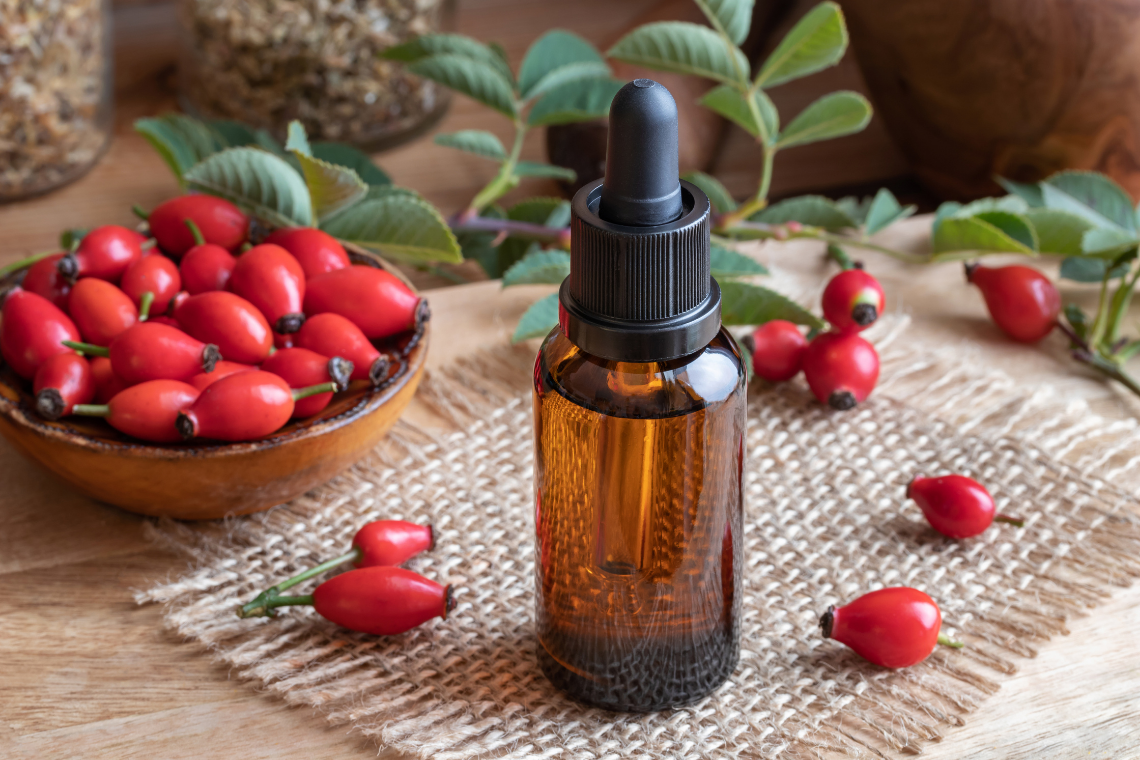
Rosehip seed oil is derived from the seeds and fruit of the Rosa canina rose bush, which grows primarily in regions of Chile and parts of Europe. The oil is typically cold-pressed to preserve its nutrient content.
This oil is naturally rich in:
- essential fatty acids (omega-3 and omega-6)
- antioxidants
- vitamins A and C
Because it’s cold-pressed and unrefined, high-quality rosehip seed oil retains these compounds, which contribute to its skin-supportive properties.

Who Is Rosehip Seed Oil For?
Rosehip seed oil is suitable for most skin types, including:
- dry or dehydrated skin
- acne-prone skin
- sensitive or reactive skin
- skin showing early signs of aging
Because it absorbs quickly and doesn’t sit heavily on the skin, it’s often used by people who want the benefits of an oil without clogged pores or excessive shine.
What Makes Rosehip Seed Oil Beneficial for Skin?
Rosehip seed oil supports the skin through a combination of hydration, barrier support, and antioxidant protection.
Its vitamin A content contributes to skin renewal, while vitamin C supports brightness and overall tone. The essential fatty acids help reinforce the skin barrier, which is especially important for maintaining moisture and reducing irritation.
Antioxidants in rosehip seed oil help protect the skin from environmental stressors that can contribute to premature aging.
Rosehip Seed Oil Skincare Benefits
1. Helps Improve the Appearance of Scars and Fine Lines
Rosehip seed oil supports skin regeneration, which may help soften the appearance of scars and fine lines over time with consistent use.
2. Supports Anti-Aging Skincare Routines
Its combination of vitamin A, antioxidants, and fatty acids makes rosehip seed oil a popular addition to anti-aging routines focused on texture and tone.
3. Helps Reduce the Look of Hyperpigmentation
Vitamin C and antioxidants may help brighten the skin and improve uneven tone when used regularly.
4. Enhances Skin Radiance
By supporting hydration and cell turnover, rosehip seed oil can help skin appear more luminous and refreshed.
5. Hydrates Without Feeling Heavy
Rosehip seed oil provides moisture while remaining lightweight, making it suitable for daily use and layering with other products.
Rosehip Seed Oil vs Jojoba Oil vs Argan Oil
Rosehip seed oil, jojoba oil, and argan oil are all popular skincare oils, but they serve different purposes.
- Rosehip seed oil is best known for skin regeneration, tone, and anti-aging support.
- Jojoba oil closely mimics the skin’s natural sebum and works well for balancing oily or acne-prone skin.
- Argan oil is rich in vitamin E and is especially nourishing for dry skin and hair.
Choosing between them depends on your skin’s needs. Many people keep more than one oil and rotate based on season or skin condition.
Can You Use Rosehip Seed Oil Under Makeup?
Yes, rosehip seed oil can be used under makeup when applied correctly.
After cleansing, apply a few drops and allow it to absorb fully before applying sunscreen or makeup. This helps create a smooth, hydrated base without interfering with foundation or concealer.
Using too much can cause makeup to slip, so a small amount is key.
What to Look for When Buying Rosehip Seed Oil
When choosing a rosehip seed oil, look for:
- cold-pressed
- unrefined
- 100% pure (no added fragrance or fillers)
- packaged in dark glass to protect from light
Quality matters, as refined oils lose much of their nutrient content.
Rosehip seed oil is generally well tolerated, but skin responses vary. Always patch test before full application, especially if you have sensitive or reactive skin.
If you’re looking for a high-quality option, this is the rosehip seed oil I personally use and recommend because it’s cold-pressed and free from added fillers.
Final Thoughts
Rosehip seed oil is a versatile, nutrient-rich oil that fits easily into many skincare routines. Its lightweight texture and skin-supportive properties make it a popular choice for hydration, tone, and overall skin health.
When used consistently and sourced carefully, it can be a simple but effective addition to a well-rounded skincare routine.