Top 4 Best Healthy Keto Sweeteners
Disclosure: This post may contain affiliate links. If you purchase through these links, I may earn a small commission at no extra cost to you.
Updated January 12, 2026
The ketogenic diet is a very low-carb way of eating. If you’re new to the keto lifestyle, this transition can feel overwhelming at first. Keto focuses on fats as the primary energy source, with moderate protein and very limited carbohydrates, which encourages the body to enter ketosis.
Check out our other keto recipes here.
One of the biggest challenges on keto is cutting back on sugar and traditional sweeteners. Finding low-carb alternatives that still taste good can take some trial and error. The good news is that there are several keto-friendly sweeteners that can be used for baking, drinks, and desserts without significantly impacting blood sugar.
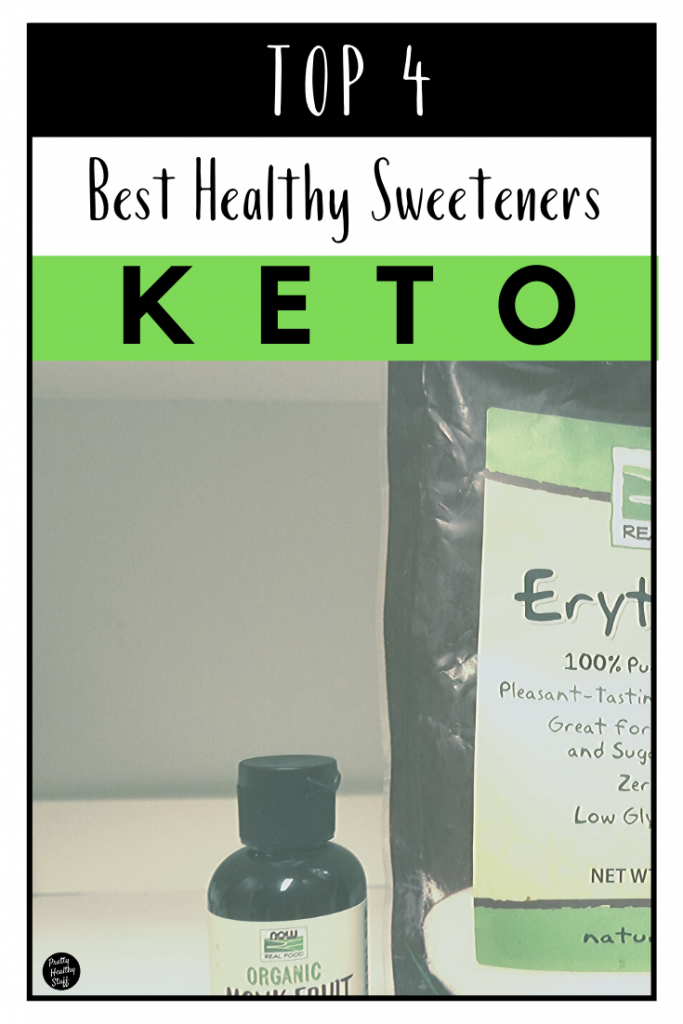
Below are four popular keto sweeteners and what makes each one different.
I’ve tested several keto sweeteners over time in baking and drinks, and I’ve found that different types work better depending on the recipe.
1. Alluouse
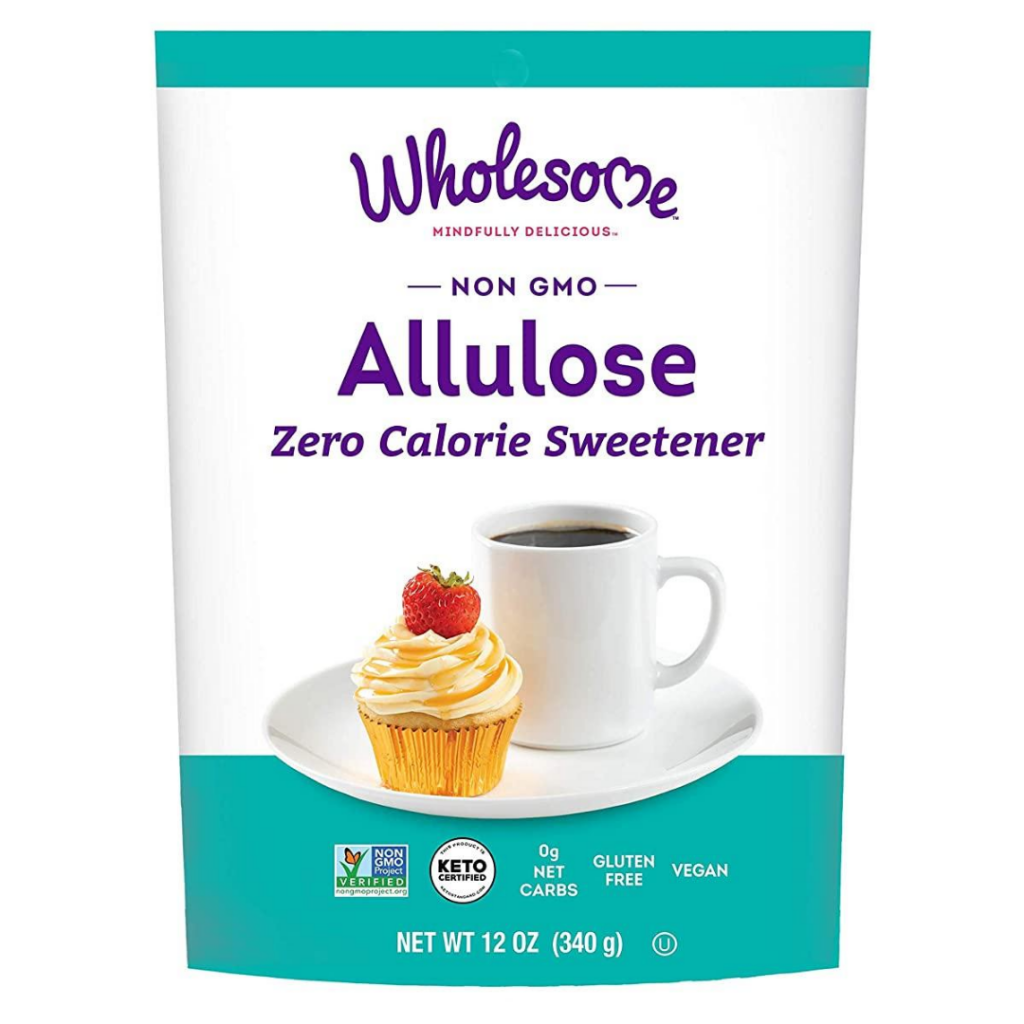
Allulose is made up of a simple sugar called monosaccharide it can be found in certain foods like raisins, figs, and maple syrup. The taste is similar to sucrose aka table sugar, in fact it’s 70% sweet as table sugar. Allulose does not have an insulin response and is extremely low on the glycemic index making it a great keto alternative.
2. Stevia
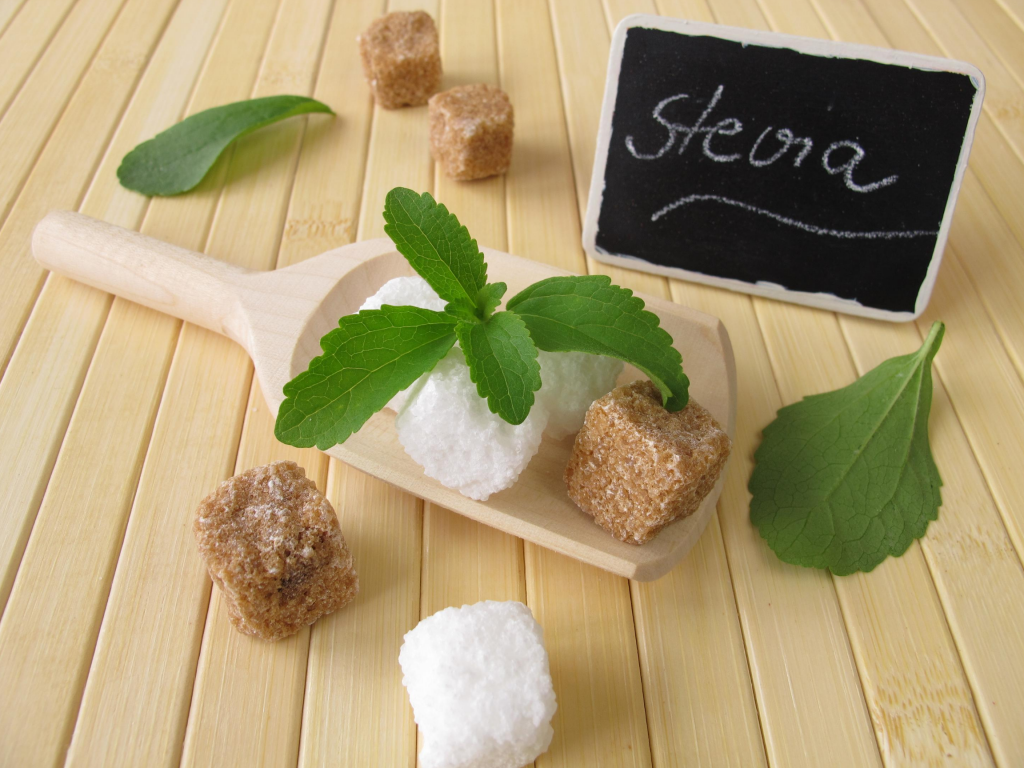
Stevia is a natural herb sweetener you can find it in many herbal tea blends at the supermarket. Due to its popularity it is one of the most common sugar alternatives today. The sweetness is about 200 times more sweeter than table sugar, so a little goes a long way. Stevia is a perfect sugar substitute with a low glycemic index.
3. Monk Fruit
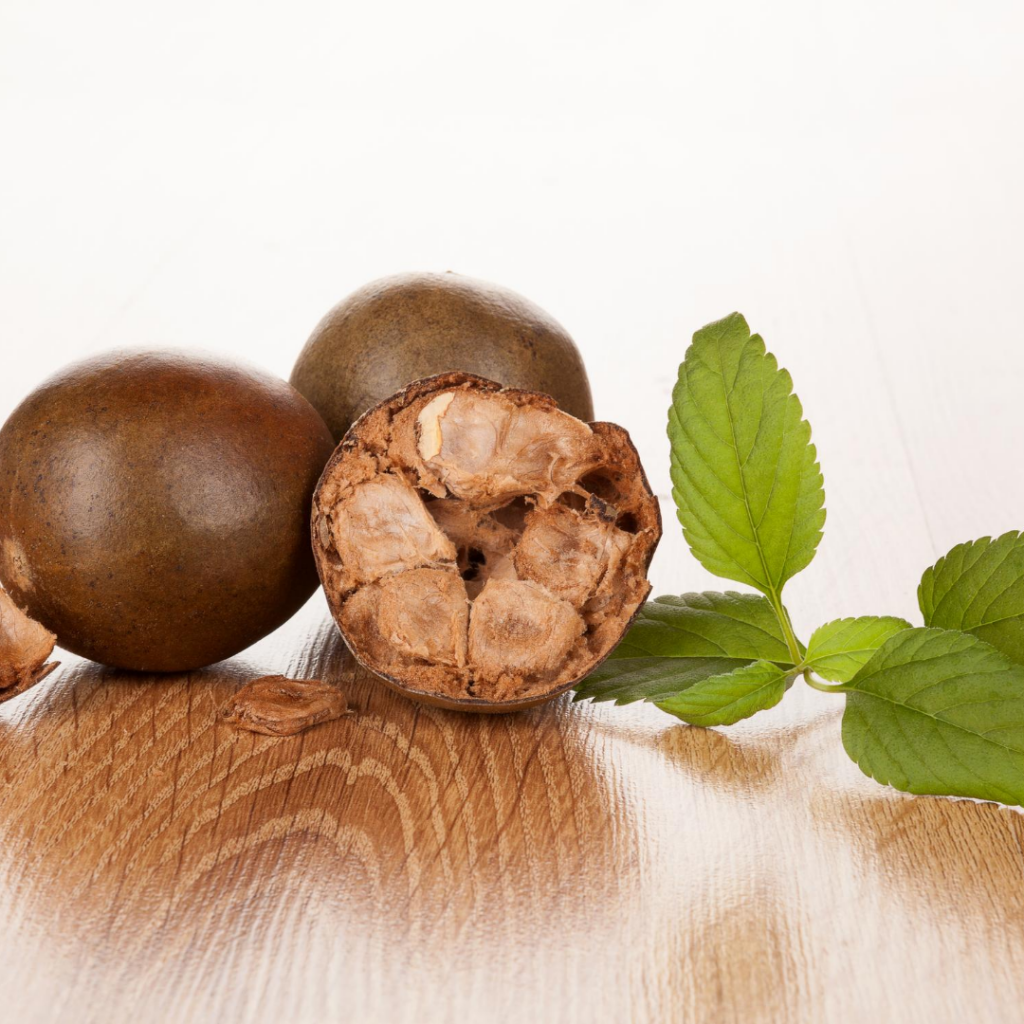
Monk fruit is native in southeast asia and is also known as Luo Han Guo. Did you know it was originally used in Traditional Chinese Medicine for medicinal and ceremonial purposes. Monk fruit has now been gaining popularity as a keto friendly sweetener. The sweetness comes from a chemical within the monk fruit called mogrosides, therefore making it 200 times sweeter than table sugar. I love this sweetener! I’ve used it for baked desserts and hot chocolate. If you can’t stand the stevia aftertaste I recommend this one! Plus it has a low glycemic index making it my favorite keto sweetener.
4. Erythritol
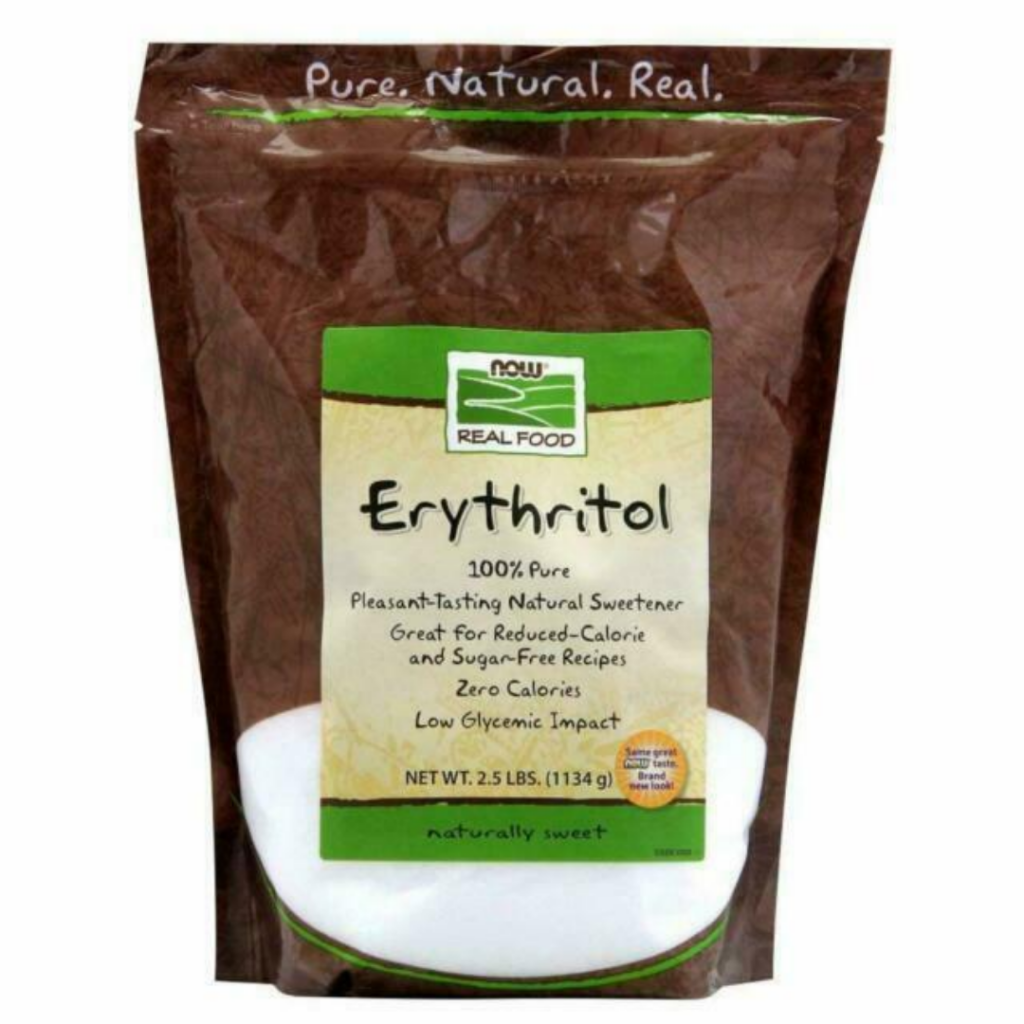
Erythritol is a sugar alcohol so it can naturally be found in food and vegetables from fermentation. This sugar alcohol is way easier on the stomach compared to other sugar alternatives. Erythritol has 70% of the sweetness of table sugar and has a low glycemic index.
Liquid vs Granulated Keto Sweeteners: Which One Should You Use?
Keto sweeteners come in both liquid and granulated forms, and choosing the right one depends on what you’re making. While they’re often interchangeable, each form has advantages depending on the recipe.
Here’s how to decide which works best.
Liquid Keto Sweeteners (Best for Drinks & No-Bake Uses)
Liquid sweeteners are highly concentrated and dissolve instantly, making them ideal when you don’t want any graininess.
Best uses:
- Coffee and tea
- Smoothies
- Cocktails or flavored water
- No-bake desserts
- Sauces or syrups
Pros:
- No gritty texture
- Easy to control sweetness drop by drop
- Blends well into liquids
Cons:
- Not ideal for baking (can affect texture)
- Easy to overuse if you’re not careful
Best liquid keto sweeteners:
- Liquid stevia
- Liquid monk fruit
These are especially helpful if you’re sensitive to sugar alcohols or want a very clean, low-impact option.
Sweetener tolerance varies from person to person. Some keto sweeteners may cause digestive discomfort in sensitive individuals, so it’s best to start with small amounts.
Granulated Keto Sweeteners (Best for Baking)
Granulated sweeteners are better when you need bulk and structure, which is important in baked goods.
Best uses:
- Cakes, cookies, brownies
- Muffins and breads
- Dessert bars
- Recipes that rely on sugar for texture
Pros:
- Mimics the texture of sugar
- Easier to measure for baking
- Works better for browning and structure
Cons:
- Some can cause cooling aftertaste
- Sugar alcohols may cause digestive issues for some people
Best granulated keto sweeteners:
- Monk fruit blends (often mixed with erythritol or allulose)
- Allulose (excellent for baking and browning)
- Erythritol (commonly used, but can crystallize)
Which Keto Sweetener Is Best for Each Use?
For coffee or tea:
Liquid stevia or liquid monk fruit
For baking cookies or cakes:
Allulose or monk fruit–allulose blends
For ice cream or frozen desserts:
Allulose (doesn’t crystallize like erythritol)
For sauces or glazes:
Liquid monk fruit or allulose syrup
For people with sensitive digestion:
Liquid sweeteners or allulose (generally better tolerated)
In practice, keeping one liquid sweetener for drinks and one granulated option for baking tends to work best for most people.