
6 Health and Beauty Benefits of Activated Charcoal (Uses, Safety, and How It Works)
Updated January 13, 2026
I’ve used activated charcoal both topically and occasionally in wellness routines, and I’ve found it most helpful when used sparingly and for specific purposes rather than as an everyday product.
Activated charcoal has been used for centuries for both health and practical purposes. Ancient civilizations, including the Egyptians, Hindus, and Phoenicians, used forms of charcoal for digestive support, wound care, and water purification long before modern medicine existed.
Today, activated charcoal is still widely used both in medical settings and in everyday health and beauty routines. Its unique structure allows it to bind to certain substances, which is why it continues to be studied and used in a variety of ways.
Below is a clear breakdown of what activated charcoal is, how it works, and the most common health and beauty uses.
What Is Activated Charcoal?
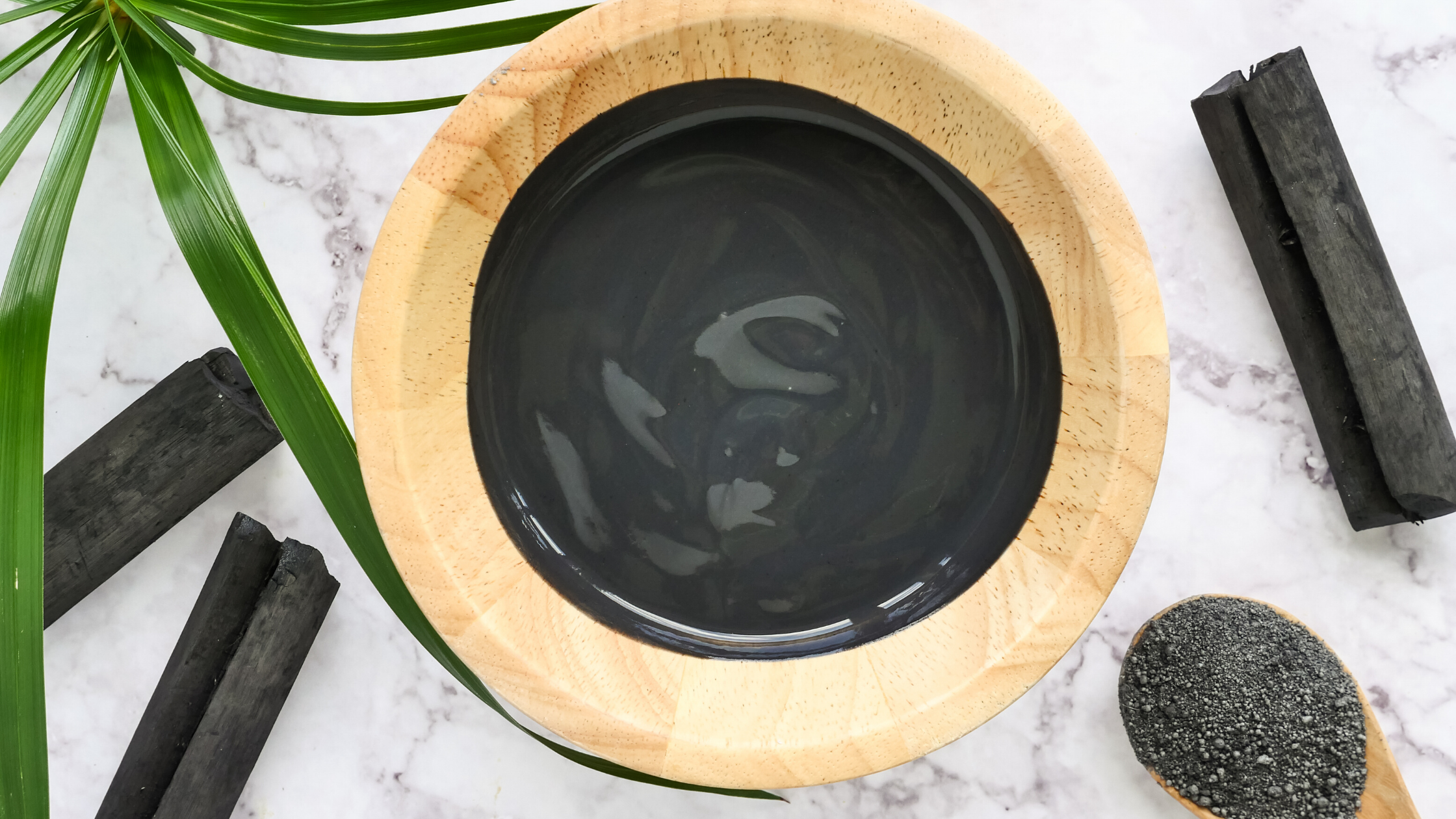
Activated charcoal is a fine, black, odorless powder typically made from coconut shells, bamboo, or wood. It’s processed at very high temperatures in the presence of oxygen, which creates a highly porous surface.
This porous structure is what makes activated charcoal effective. It allows the charcoal to bind to certain compounds on its surface, which is why it’s used in filtration systems, emergency medicine, and some personal care products.
Because of its binding properties, activated charcoal is often used to help trap unwanted substances so they can be removed from the body or surface they’re applied to.
Health Benefits and Uses of Activated Charcoal
1. Used in Cases of Certain Poisonings
In medical settings, activated charcoal is sometimes administered to help bind certain toxins in the digestive tract. Emergency rooms may use it in specific poisoning cases when appropriate and administered under professional supervision.
This is one of the most well-established uses of activated charcoal.
2. May Help Reduce Gas and Bloating
Some studies suggest that activated charcoal taken around mealtime may help reduce gas and bloating by binding gas-producing compounds in the digestive system.
Results can vary by person, and it’s generally used occasionally rather than daily.
3. Soothing Bug Bites (Topical Use)
When used topically, activated charcoal may help soothe bug bites by binding irritating substances at the surface of the skin.
It’s commonly mixed with a carrier like coconut oil or water and applied as a short-term treatment to help calm the area.
4. Binding Properties in Detoxification Contexts
Activated charcoal’s ability to bind certain substances is why it’s often discussed in detox-related contexts. While the body already has built-in detox systems (like the liver and kidneys), activated charcoal may help support the removal of specific compounds when used appropriately.
Hydration is important when using activated charcoal internally, as it can bind water along with other substances.
Beauty Benefits and Uses of Activated Charcoal
5. Teeth Whitening Support
Activated charcoal is commonly found in toothpaste and powder products designed to help remove surface stains from teeth.
Its abrasive and binding properties may help lift plaque and discoloration caused by food and drinks. However, it should be used gently and not too frequently to avoid enamel wear.
6. Facial Cleansers and Masks
Activated charcoal is widely used in face cleansers and masks because it can help draw out oil, dirt, and impurities from the skin’s surface.
Some people also add a small amount of activated charcoal to their regular cleanser or mask, using it occasionally rather than daily especially if they have dry or sensitive skin.
Final Thoughts
Activated charcoal has a long history of use, and its popularity today comes from its unique ability to bind certain substances. While it isn’t a cure-all, it can be a helpful addition to both health and beauty routines when used thoughtfully and in moderation.
As with any supplement or topical ingredient, it’s important to understand how and when to use activated charcoal and to consult a healthcare professional if you have questions about internal use.
To learn more in depth about activated charcoal
This article is for informational purposes only and is not intended as medical advice.